Senolytics: Clearing Out the Zombie Cells
Senescent cells accumulate with age and poison their neighbors — and a new class of drugs aims to clear them out. The mouse data are dramatic; the human evidence is just beginning.
- Senolytics are compounds that selectively eliminate senescent cells, which accumulate with age and drive inflammation
- Dasatinib plus quercetin is the most studied combination — primarily from Mayo Clinic research
- Evidence in humans is still early: small trials show reductions in senescent cell markers but clinical outcomes are pending
- Quercetin alone has weak senolytic activity; the combination with dasatinib appears synergistic
- Dasatinib is a cancer drug with real side effects — this is not a casual supplement stack
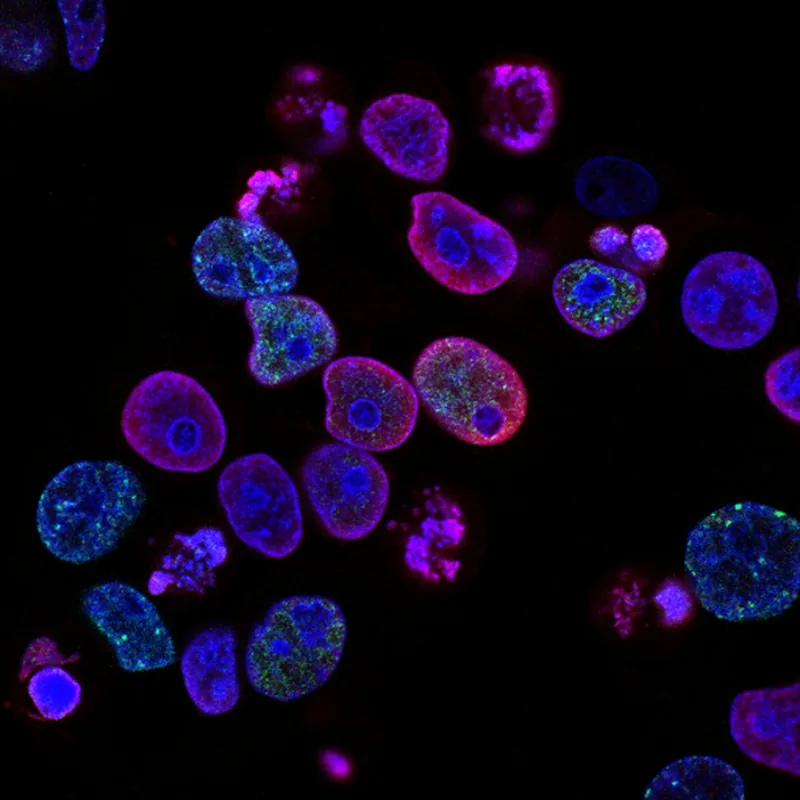
Some of the most striking images in aging biology come from experiments where scientists selectively destroy a particular kind of malfunctioning cell in old mice — and the animals get measurably healthier. The cells in question are called senescent cells, often nicknamed “zombie cells,” and the drugs that clear them are called senolytics.
It is one of the more genuinely exciting ideas in geroscience because it targets a cause of aging rather than a symptom. It is also one where the gap between mouse spectacle and human proof remains wide, and where the early enthusiasm has outrun the clinical data. Both deserve a clear look.
What A Zombie Cell Is
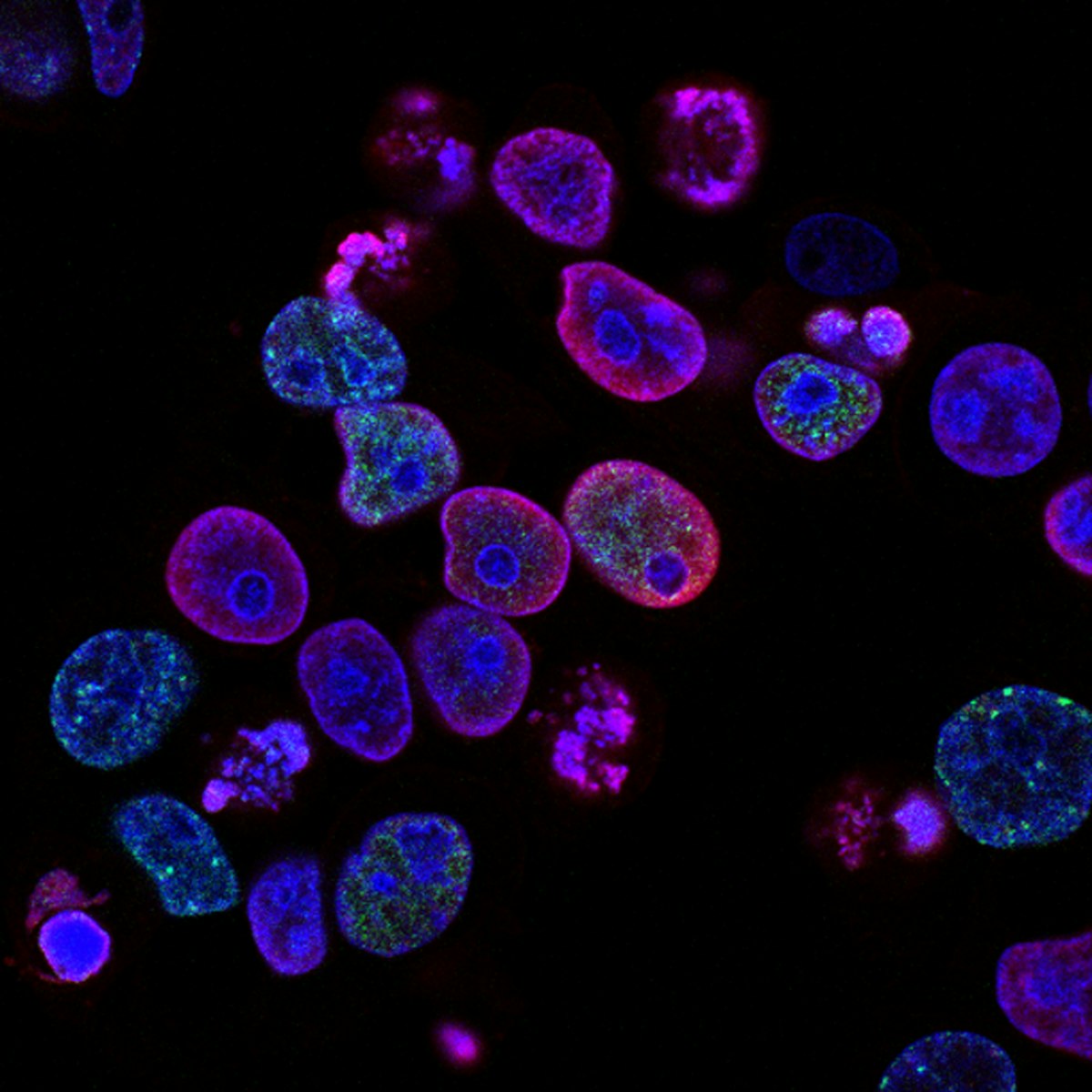
When a cell is damaged or has divided too many times, it can enter a state called senescence: it stops dividing but refuses to die. In moderation this is useful — it is a brake on cancer and aids wound healing. The problem is accumulation. As we age, senescent cells build up faster than the immune system clears them.
These cells are not inert. They secrete a cocktail of inflammatory molecules known as the senescence-associated secretory phenotype, or SASP. This secretome drives chronic low-grade inflammation and can push neighboring healthy cells toward dysfunction.
A senescent cell does not just sit idle — it actively poisons its surroundings with inflammatory signals, which is why clearing even a small fraction may have outsized effects.
how-senolytics-work">How Senolytics Work
Senescent cells survive by switching on “pro-survival” pathways that resist their own programmed death. Senolytics exploit this: they tip these cells over the edge into apoptosis while sparing normal cells. Crucially, the cells do not all rely on the same survival pathway, so different senolytics target different cell types — there is no single universal agent.
The best-studied combination in research is dasatinib (a cancer drug) paired with quercetin (a plant flavonoid). Other candidates include fisetin and navitoclax. Because senescent cells take time to re-accumulate, a key feature of the strategy is intermittent or “hit-and-run” dosing — clear them, then stop, rather than dose continuously. That schedule, if it holds up, could meaningfully reduce drug exposure and side effects.
The Animal Evidence
This is where senolytics earned their reputation. In mice, clearing senescent cells — whether genetically or pharmacologically — has improved a broad range of outcomes:
- Improved physical function and endurance in old animals
- Reduced age-related tissue dysfunction across multiple organs
- Extended healthspan, and in some studies, lifespan
- Improvements in models of specific diseases (osteoarthritis, pulmonary fibrosis, metabolic dysfunction)
The breadth is part of the appeal: a single mechanism appears to touch many age-related problems at once. The consistency across labs and models is stronger than for many longevity ideas.
What Humans Actually Have
Here the tone must shift from excitement to honesty. Human evidence is at the early clinical-trial stage, and the results so far are mixed and modest:
- A small early trial of dasatinib plus quercetin in patients with idiopathic pulmonary fibrosis suggested improvements in physical function — but it was tiny and uncontrolled in design.
- A study in diabetic kidney disease reported a reduction in markers of senescent cell burden in tissue after treatment — encouraging biological proof-of-concept.
- Larger, well-controlled trials for outcomes like Alzheimer’s and osteoarthritis are underway, with results still maturing.
No trial has yet shown that senolytics extend human lifespan or robustly prevent age-related disease in healthy people. The biomarker signals are promising; the hard clinical outcomes are not yet in hand.
The Risks And The Caveats
Senescent cells exist for reasons. Their role in suppressing cancer and supporting wound healing means indiscriminate clearance is not obviously harmless. Potential concerns include impaired healing and unknown long-term effects of repeated clearance.
The specific agents carry their own baggage. Dasatinib is a serious prescription drug with real toxicity. Navitoclax can lower platelet counts. Fisetin and quercetin are far gentler but also have weaker direct human senolytic evidence. The DIY scene — people self-dosing dasatinib-and-quercetin protocols from internet recipes — is running well ahead of the data, and that is exactly the kind of hype-over-evidence behavior worth resisting. This isn’t medical advice, and the prescription agents in particular belong under clinical supervision.
| Element | Status |
|---|---|
| Mechanism | Well-defined (clearing senescent cells) |
| Animal healthspan data | Strong and broad |
| Human clinical data | Early, small, mixed |
| Lifespan proof in humans | None yet |
| Risk | Real for prescription agents |
The Bottom Line
Senolytics target a genuine driver of aging, and the mouse data are some of the most compelling in the field. But human trials are early, small, and inconsistent, and the most potent agents are real drugs with real risks. The science is worth following closely — and self-experimenting with prescription senolytics on the strength of mouse studies is not yet justified.





6 Comments
Started based on your earlier post and results match what you describe here.
Really appreciate the thorough breakdown. The mechanism section was exactly what I needed.
Followed the protocol here for 6 weeks. Noticeable difference by week 4.
The safety section should be required reading before starting any new supplement.
I was skeptical but the mechanism explanation makes complete sense. Changed my view entirely.
The quality variation between brands is underrated. Learned this the hard way with a previous supplement.
Leave a comment